Preparing a Healthcare Facility for a New MRI or CT Scanner
Installing a new MRI or CT scanner involves much more than creating enough space for the equipment. Structural requirements, specialist services, access, shielding and the challenges of working within a live healthcare environment all need careful consideration.
Early coordination between the healthcare provider, construction team, equipment manufacturer and specialist contractors can help reduce delays and avoid costly problems.
1. Early Planning and Site Surveys
A detailed site survey should assess room dimensions, structural conditions, existing services, access routes and surrounding clinical areas.
As MRI and CT scanners vary in size, weight and technical requirements, understanding the selected equipment early is essential for effective construction planning.
2. Structural Requirements
MRI and CT equipment can be extremely heavy, so existing floors and structures may need assessment or strengthening.
Temporary wall or roof openings may also be required to create a suitable equipment delivery route. Planning these works early can reduce installation delays.
3. MRI Shielding and Specialist Requirements
MRI suites have specialist requirements, including RF shielding and magnetic-field considerations.
These elements should be coordinated closely with the scanner manufacturer, shielding specialists and healthcare team to ensure they are properly incorporated into the facility.
4. Mechanical and Electrical Services
Medical imaging equipment requires specialist power, cooling, ventilation, lighting, data and other building services.
Close coordination between the construction team, M&E contractors and equipment supplier is essential to meet the scanner manufacturer’s technical requirements.
5. Scanner Delivery and Access
Getting a large MRI or CT scanner into an existing healthcare facility can be challenging.
Access routes, corridors, lifts and external access should be assessed in advance. Some projects may require temporary openings, specialist lifting equipment or crane operations.
A clear delivery strategy can prevent costly last-minute complications.
6. Working in a Live Healthcare Environment
Many medical imaging projects take place while hospitals and clinics remain operational.
Dust, noise, vibration, infection control, deliveries and access must therefore be carefully managed to minimise disruption to patients, staff and clinical services.
7. Coordination and Future Planning
MRI and CT projects involve healthcare teams, contractors, equipment manufacturers and specialist suppliers.
A coordinated programme helps align construction with scanner delivery, installation and commissioning. Future maintenance, equipment replacement and technology upgrades should also be considered during the planning stage.
8. Why Early Contractor Involvement Matters
Early contractor involvement can identify structural, access, shielding, M&E and programme challenges before they become expensive problems.
For complex medical imaging projects, early collaboration can reduce risk and provide greater certainty around delivery.
Specialist Healthcare Construction Across the UK
Friargreen Construction delivers specialist healthcare construction, refurbishment and medical imaging projects across the UK, with particular strength in London, Kent, Surrey, Sussex, Essex and the wider South East. Our experience includes MRI and CT suite preparation, healthcare fit-outs and complex refurbishment projects within live clinical environments.
Our specialist MRI project experience includes:
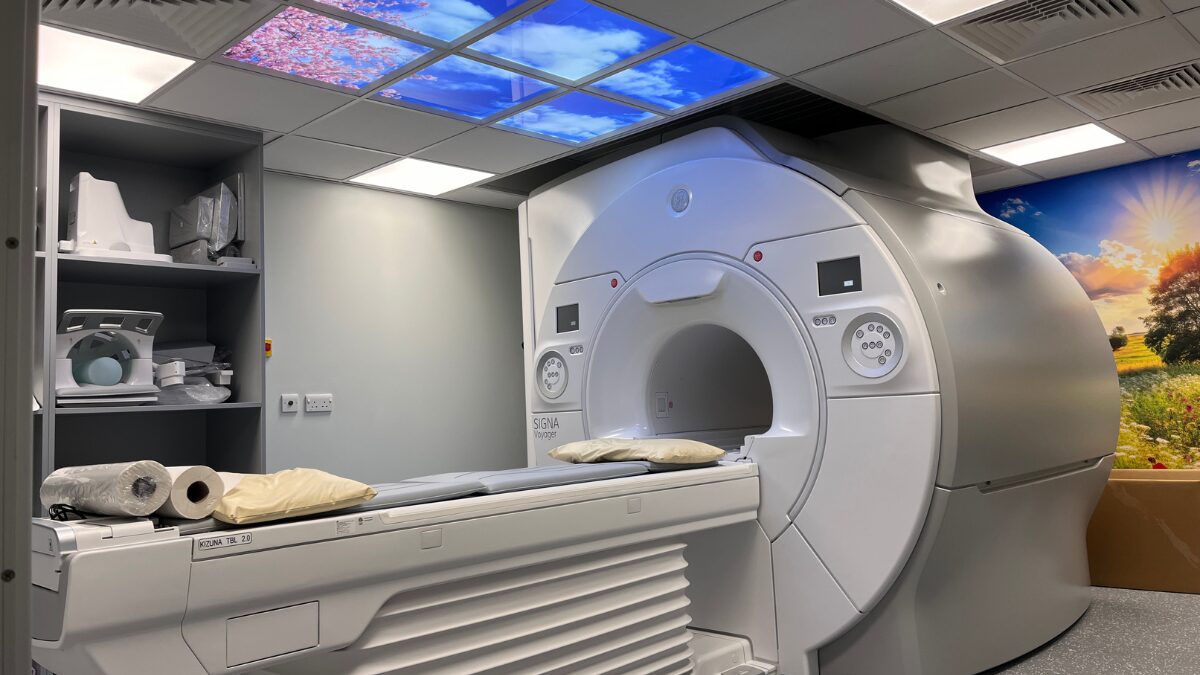
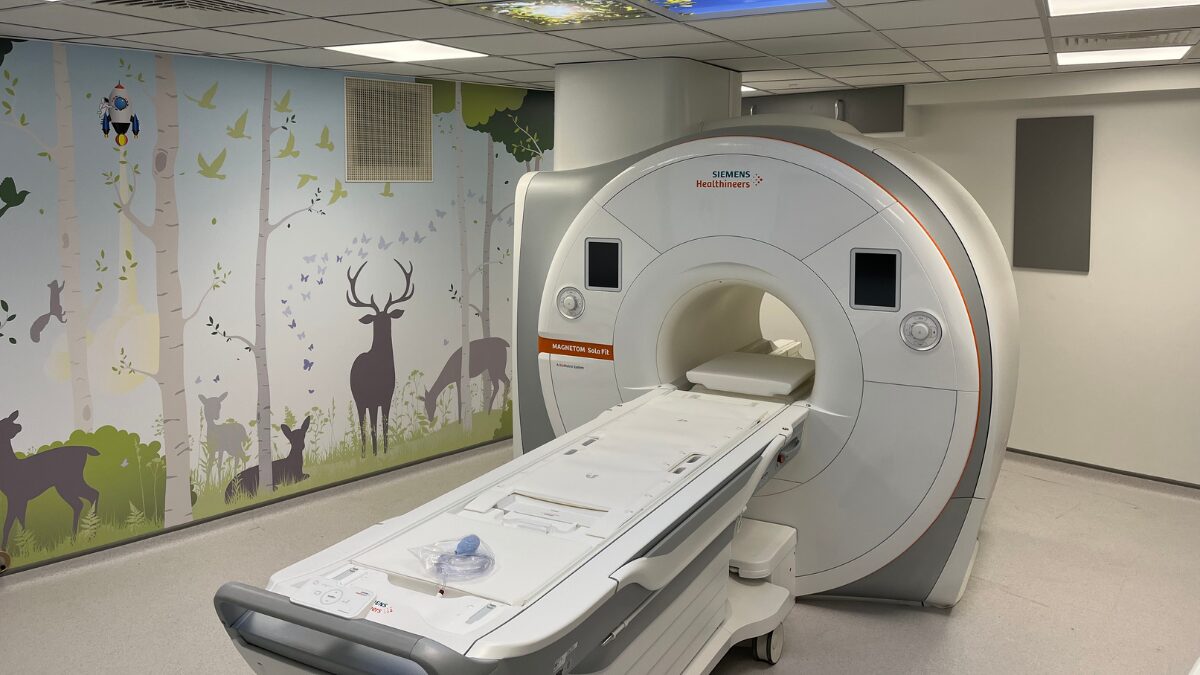
- Nuffield Bristol Hospital: GE MRI Scanner
- Yeovil District Hospital: Philips MRI Scanners
- Musgrove Park Hospital: Siemens MRI Scanner
This demonstrates our experience in the construction and coordination of specialist medical imaging environments across leading MRI manufacturers. You can also connect with Friargreen Construction on LinkedIn for our latest projects, company updates and healthcare construction insights.
Frequently Asked Questions
What construction work is required before installing an MRI scanner?
Requirements vary but may include structural alterations, RF shielding, specialist M&E services, cooling and ventilation, equipment access and preparation of associated clinical areas.
How do you get an MRI or CT scanner into an existing hospital?
A detailed access strategy should be developed before delivery. This may involve existing access routes, temporary wall or roof openings, specialist lifting equipment or cranes.
Can MRI and CT construction work take place in a live hospital?
Yes. However, infection control, dust, noise, vibration, access and deliveries must be carefully managed to minimise disruption to patients and clinical services.
Where does Friargreen Construction undertake healthcare projects?
Friargreen Construction delivers specialist healthcare construction and medical imaging projects UK-wide, including London, Kent, Surrey, Sussex and Essex.